Updated November 2026
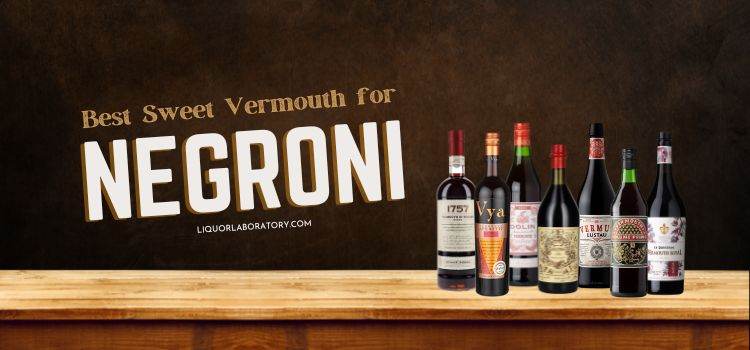
The best sweet vermouth for a Negroni is a rich, spiced Italian rosso that can match Campari’s bitterness. Carpano Antica Formula makes the boldest, vanilla heavy Negroni, Cocchi Storico Vermouth di Torino gives a balanced, bittersweet drink, Martini & Rossi Rosso is the easy, lighter everyday choice, and Punt e Mes makes a more bitter Negroni for people who like amaro. Because a Negroni is one third vermouth, this choice changes the drink as much as your gin does.
Why Vermouth Matters So Much in a Negroni
The International Bartenders Association (IBA) recipe for the Negroni is equal parts: 30 ml (1 oz) gin, 30 ml (1 oz) Campari and 30 ml (1 oz) sweet red vermouth, poured into a chilled old fashioned glass filled with ice, stirred gently and garnished with half an orange slice. With only three ingredients in equal amounts, the vermouth supplies most of the sweetness, body and spice that balance Campari’s bitter orange and the gin’s juniper.
Vermouth is a wine, not a spirit. Under US federal rules, aperitif wine must contain at least 15 percent alcohol by volume and is compounded from grape wine with added brandy or alcohol and flavored with herbs and other natural aromatics, and vermouth is a type of aperitif wine with the taste and aroma generally attributed to vermouth (27 CFR § 4.21(g)). Within that definition, styles vary widely, from light and sweet to dark, bitter and almost syrupy. For a refresher on styles, see our guide to sweet vs dry vermouth; only sweet (red, rosso) vermouth belongs in a classic Negroni.
Sweet Vermouths That Work in a Negroni
| Vermouth | Origin | ABV | Negroni style |
|---|---|---|---|
| Carpano Antica Formula | Turin, Italy | 16.5% | Rich, vanilla forward, bold |
| Cocchi Storico Vermouth di Torino | Piedmont, Italy | 16% | Balanced, bittersweet, cocoa and citrus |
| Martini & Rossi Rosso | Pessione, Italy | 15% | Lighter, sweeter, widely available |
| Martini Riserva Speciale Rubino | Pessione, Italy | 18% | Fruity and spicy, a step up from Rosso |
| Punt e Mes | Turin, Italy | 16% | Extra bitter, dry finish |
| Dolin Rouge | Chambéry, France | 16% | Lighter, tart, spice driven |
ABV figures come from the producers and major US retailers. Check the label on your bottle, since strength can differ by market.
Carpano Antica Formula: The Bold Choice
Carpano says Antica Formula descends from the vermouth Antonio Benedetto Carpano first created in Turin in 1786, and the recipe is now kept by Fratelli Branca Distillerie. It is bottled at 16.5% ABV. The producer describes a nose of vanilla with spicy, citrus and dried fruit notes of almond, raisin and clove, and a round palate rich in vanilla. In a Negroni it pushes the drink toward a dessert like richness, which works well with a strong London Dry gin.
Cocchi Storico Vermouth di Torino: The Balanced Choice
Giulio Cocchi revived its original Vermouth di Torino recipe in 2011 to mark 120 years since the company began making aromatic wines, according to Difford’s Guide, which lists it at 16% ABV. Difford’s tasting notes describe orange peel, chocolate, cinnamon and spice on the nose, and a raisiny, citrusy bitterness with licorice, rhubarb and cocoa on the palate, finishing bittersweet and quinine like. Its built in bitterness meets Campari halfway.
Martini & Rossi Rosso and Riserva Speciale Rubino: The Easy Choice
Martini & Rossi Rosso is the sweet vermouth most US stores carry. It is bottled at 15% ABV and, according to ReserveBar’s product listing, blends wines with about 40 botanicals, gets its deep red color from caramel, and tastes sweet with light orange and citrus notes. It makes a lighter, sweeter Negroni that suits people new to the drink. For more depth from the same house, Martini Riserva Speciale Rubino is a Vermouth di Torino made on a Nebbiolo wine base at 18% ABV, described by Astor Wines as fruity and spicy with a perfumed bouquet.
Punt e Mes: For a More Bitter Negroni
Punt e Mes, also from Carpano, is bottled at 16% ABV. Its name is Piedmontese for “point and a half,” a reference to the extra measure of bitterness it adds. Retailer Wooden Cork describes cherry, cocoa and bitter orange on the nose, a bittersweet palate with caramel, dark berry and gentian, and a long, dry finish. Paired with Campari, it gives a noticeably drier, more bitter Negroni. Splitting the vermouth half Punt e Mes and half Antica Formula is a popular way to get both richness and bite.
Dolin Rouge: A Lighter French Option
Dolin Rouge is a vermouth de Chambéry from the French Alps, bottled at 16% ABV. US retailer The Liquor Barn describes it as made from Ugni Blanc wine and more than 30 Alpine botanicals, with sarsaparilla, stewed fruit, citrus zest, clove and cinnamon, and a finish more tart than sweet. It makes a brighter, less syrupy Negroni.
How to Make a Classic Negroni
- 1 oz (30 ml) gin
- 1 oz (30 ml) Campari
- 1 oz (30 ml) sweet red vermouth
- Ice, plus half an orange slice or a strip of orange peel
- Chill an old fashioned glass and fill it with ice, ideally one large cube.
- Pour in the gin, Campari and vermouth.
- Stir gently for 20 to 30 seconds to chill and slightly dilute.
- Garnish with half an orange slice, or express an orange peel over the glass.
Many bartenders stir the drink in a mixing glass with ice and strain it over fresh ice for a cleaner, colder result. Campari is bottled at 24% ABV in the US according to Walmart’s product listing, so the finished drink is lighter than a straight spirit cocktail but stronger than it tastes. If you are deciding between Campari and its lighter cousin, read Campari vs Aperol.
Matching the Vermouth to Your Gin
- Juniper heavy London Dry gin: stands up to rich vermouths such as Carpano Antica Formula or Cocchi Storico. Compare two classics in Tanqueray vs Bombay, and see our picks for the best gin for a Negroni.
- Softer, citrus or floral gin: pairs better with lighter vermouths like Dolin Rouge or Martini & Rossi Rosso, which will not bury the gin.
- Want it drier: use Punt e Mes or cut the vermouth to 0.75 oz.
- Swap the gin: bourbon in place of gin turns the drink into a Boulevardier; see our Bulleit bourbon cocktails for the recipe and the best bourbon for a Manhattan for other vermouth and whiskey drinks.
Gins that make a good gin and tonic usually make a good Negroni too; see our picks for the best gin for a gin and tonic.
How to Store Sweet Vermouth
Because vermouth is wine based and lower in alcohol than spirits, it fades once opened. Keep opened bottles tightly closed in the refrigerator and aim to finish them within about three months, as VinePair recommends. Our guide to does vermouth go bad covers the signs of a tired bottle. Fortified and aromatized wines behave similarly; see how long Lillet Blanc lasts for a related example.
How Strong Is a Negroni?
The NIAAA defines a US standard drink as about 0.6 fl oz of pure alcohol. A Negroni made with 1 oz of 80 proof gin (0.4 fl oz of alcohol), 1 oz of 24% Campari (0.24 fl oz) and 1 oz of 16% vermouth (0.16 fl oz) holds about 0.8 fl oz of alcohol, or roughly 1.3 standard drinks. Higher proof gin raises that number. For more on pacing, see how many shots it takes to get drunk, and never drink and drive.
Frequently Asked Questions
What vermouth do bartenders use in a Negroni?
There is no single standard. The IBA recipe only specifies sweet red vermouth. Rich Italian rossos such as Carpano Antica Formula and Cocchi Storico Vermouth di Torino are common bar choices, and Martini & Rossi Rosso is the most widely available.
Can you use dry vermouth in a Negroni?
Not in a classic Negroni. Dry vermouth makes a thinner, sharper drink that tastes unbalanced next to Campari. Use a sweet, red vermouth.
Is Carpano Antica too sweet for a Negroni?
Some people find it rich at equal parts. Reduce it to 0.75 oz, or split it with Punt e Mes for more bitterness.
What is the ratio for a Negroni?
The classic ratio is equal parts gin, Campari and sweet vermouth, 1 oz of each, per the IBA recipe.
For more bottles and cocktails, visit our Gin Guide.
Sources
- International Bartenders Association, Negroni recipe (iba-world.com).
- 27 CFR § 4.21(g), Aperitif wine and vermouth, via Cornell Legal Information Institute.
- Carpano, Antica Formula product page (carpano.com): history, 16.5% ABV, tasting notes.
- Difford’s Guide, Cocchi Storico Vermouth di Torino: 16% ABV, history, tasting notes.
- ReserveBar, Martini & Rossi Rosso product listing (15% ABV, botanicals, color).
- Astor Wines, Martini & Rossi Riserva Speciale Rubino listing (18% ABV, Nebbiolo base).
- Wooden Cork, Punt e Mes listing (16% ABV, name origin, tasting notes).
- The Liquor Barn, Dolin Rouge listing (16% ABV, Chambéry, botanicals).
- Walmart, Campari 750 ml listing (24% ABV).
- VinePair, guidance on storing opened vermouth.
- NIAAA, What Is a Standard Drink?