Updated September 2026 by Lydia Martin
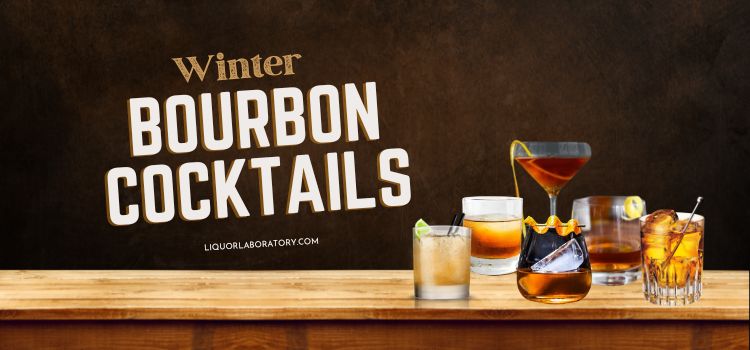
Winter cocktails are not just summer cocktails served warm. Three things genuinely change, and understanding them is more useful than any single recipe.
Citrus recedes. Summer drinks are built on lime and lemon because acid reads as refreshing. In cold weather that brightness feels thin. Winter drinks lean on spice, sugar, and richer textures instead.
Spice comes forward. Cinnamon, clove, allspice, nutmeg, ginger. These are warming aromatics and they suit bourbon's own vanilla and oak.
Texture matters more. Cream, egg, butter, honey and maple all appear in winter drinks. They feel substantial in a way a shaken sour does not.
One bottle covers everything below. A 90 to 100 proof bourbon with rye in the mash bill. Old Grand-Dad Bonded, Evan Williams Bottled-in-Bond, Buffalo Trace or Four Roses Small Batch.
Stirred and spirit-forward
Maple Old Fashioned. 2 oz bourbon, ¼ oz maple syrup, 2 dashes Angostura. Stir 30 seconds over a large cube, orange peel expressed. The best cold-weather variation on the drink.
Bourbon Manhattan. 2 oz bourbon, 1 oz sweet vermouth, 2 dashes Angostura. Stir, strain into a chilled coupe, brandied cherry. Refrigerate your vermouth — stale vermouth is the most common cause of a disappointing home Manhattan.
Boulevardier. 1½ oz bourbon, 1 oz Campari, 1 oz sweet vermouth. Stir over a large cube. Bitter and warming, and it holds up against heavy food better than almost anything.
Warm
Hot Toddy. 2 oz bourbon, 2 tsp honey, ½ oz lemon, 4 oz hot water at about 160°F. Ethanol boils at 173°F, so boiling water drives the bourbon off — this is the most common toddy mistake.
Bourbon Hot Chocolate. 1½ oz bourbon in 6 oz hot chocolate made with whole milk, plus a pinch of flaky salt. The salt is what makes it interesting rather than merely sweet.
Hot Buttered Bourbon. A tablespoon of spiced butter-and-brown-sugar mixture, 2 oz bourbon, 5 oz hot water. The butter mixture keeps in the fridge for weeks and makes the drink a thirty-second job.
Rich and creamy
Bourbon Milk Punch. 2 oz bourbon, 4 oz whole milk, ½ oz simple syrup, ¼ tsp vanilla. Shake with ice, strain, fresh nutmeg on top.
Bourbon Eggnog. 1½ oz of a 100-proof bourbon per cup. Proof matters here more than anywhere — cream and sugar flatten anything gentler.
Long
Bourbon Cider Highball. 2 oz bourbon, 4 oz hot or cold apple cider, dash of Angostura, cinnamon stick. Works either temperature, which makes it the most useful drink on this page.
Gingerbread Highball. 2 oz bourbon, 4 oz ginger beer, ½ oz lemon, dash of bitters. Ginger's heat is the perfect winter counterweight.
Four principles worth keeping
Cut the sugar by about a quarter from any standard recipe. Winter food is already sweet, and these drinks are richer to begin with.
Use large ice. A two-inch cube melts far more slowly than cubes from a tray, and slow dilution is what keeps a stirred drink from collapsing while you talk.
Never boil water for a warm drink. 160°F. This is the single most common mistake in every hot cocktail.
Buy proof, not price. Almost every drink here involves a sweet or rich mixer, and both flatten nuance. A $22 bottle at 100 proof outperforms a $60 bottle at 80 proof in all of them.
More in our Bourbon Guide.
Frequently asked questions
What bourbon is best for winter cocktails?
A 90 to 100 proof bourbon with rye in the mash bill. The proof survives rich mixers; the rye spice suits winter flavors.
What's the difference between winter and summer cocktails?
Winter drinks use less citrus, more spice, and richer textures. Summer drinks lean on acid and dilution for refreshment.
What's the easiest warm bourbon cocktail?
A bourbon cider highball — bourbon, warm cider, a dash of bitters, cinnamon stick.
Can you serve a Manhattan in winter?
It is arguably a winter drink. Spirit-forward, low-dilution and warming.
Why shouldn't I use boiling water?
Ethanol boils at 173°F and water at 212°F, so boiling water drives alcohol and aroma out of the glass as steam.
Need drinks that scale for a crowd? See our best Christmas bourbon cocktails, including three that batch ahead.
Sources and method
Proofs are standard US bottling strengths as printed on current labels. Ethanol's boiling point is 78.4°C (173°F). No prices or ratings are invented on this page.