
Updated October 2026
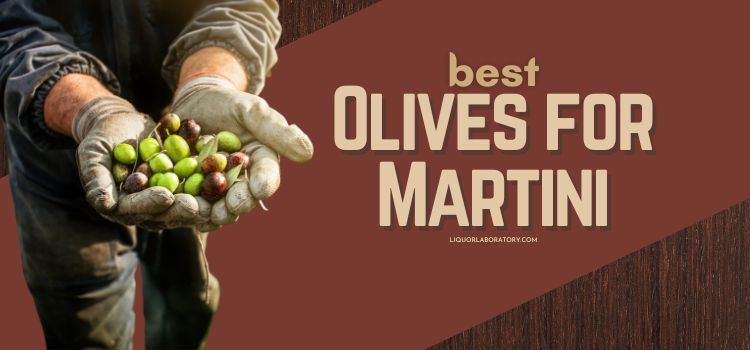
The best olives for a martini are firm, mild green olives: Spanish Manzanilla (the classic pimiento-stuffed martini olive), Castelvetrano from Sicily for a buttery bite, and large Spanish Gordal or Queen olives for a meaty, briny garnish. Picholine and Cerignola are good alternatives, while soft, wine-cured, or oil-cured olives such as Kalamata tend to cloud the drink and overpower the gin. The International Bartenders Association (IBA) Dry Martini lists green olives as the optional garnish, so a green olive is the traditional choice.
What the classic martini recipe says about olives
The IBA Dry Martini specification calls for 60 ml gin and 10 ml dry vermouth, stirred with ice and strained into a chilled cocktail glass. The garnish is lemon peel oil expressed over the drink, with green olives as an option on request. That is the starting point for every choice below: the olive is a garnish, so it should complement the gin or vodka, not dominate it.
Under 27 CFR § 5.144, gin must take its main characteristic flavor from juniper berries and be bottled at no less than 40% ABV. A good martini olive works with that juniper and botanical profile, adding salt and savory depth without fighting the spirit. For measuring the pour itself, see our guides to jigger measurements and how many ml are in a shot.
The best olive varieties for a martini
Manzanilla (Spain): the classic
Manzanilla is the olive most people picture in a martini. Mezzetta describes it as coming from the Seville area of southern Spain, mild and buttery with a firm, meaty texture and a mildly fruity taste, and calls it the most widely grown olive variety in the world. It is the usual base for pimiento-stuffed olives. America’s Test Kitchen notes that Manzanillas are brine-cured and can taste slightly bitter or sour, which gives a dry martini a pleasant savory edge.
Castelvetrano (Sicily): buttery and bright
Castelvetrano olives come from the Nocellara del Belice variety grown in the Valle del Belice of southwestern Sicily. DeLallo explains that they are not fermented like most olives; instead they are soaked in a fresh water and lye solution for about two weeks, then washed and refrigerated. The result is a mild, buttery olive with a crisp, meaty bite and a bright green color. Castelvetranos suit drinkers who find standard martini olives too salty.
Gordal or Queen (Spain): large and meaty
Gordal means “the fat one” in Spanish, and these are the largest common martini olives. Mezzetta describes Queen Gordal olives as briny with almond notes and a meaty texture, lye-treated and then naturally cured in salt brine, and lists martinis among their main uses. They are often stuffed with pimiento, blue cheese, or garlic.
Picholine (France): crisp and clean
America’s Test Kitchen describes Picholine olives as clean, briny, and almost buttery, with a crisp, creamy texture. They are picked green and brine-cured. Their smaller size makes them a neat choice for a cocktail pick of two or three.
Cerignola (southern Italy): mild and firm
Cerignola olives are large and firm, and America’s Test Kitchen describes them as slightly sweet and vegetal, brine-cured with a little vinegar. They are a good option for a less salty martini.
Olives to skip in a martini
- Kalamata. Mezzetta notes that Kalamatas are stored in brine with red wine vinegar and describes them as ideal for cooking. The dark color and wine notes muddy a clear martini.
- Oil-cured olives. The oil coating leaves a slick on the surface of the drink.
- Alfonso and other wine-cured olives. America’s Test Kitchen describes Alfonsos as sour and very soft, with a purple color from red wine curing.
Stuffed olives: pimiento, blue cheese, garlic, and jalapeno
Pimiento-stuffed Manzanillas are the traditional choice and add color with little flavor change. Blue cheese stuffed olives add richness and salt and pair best with a dirty martini. Garlic and jalapeno stuffed olives add heat and pungency, so use them with a bold gin or a plain vodka that will not compete. If you prefer vodka in your martini, see our guide to the best vodka for a dirty martini.
Olives and olive brine for a dirty martini
A dirty martini adds olive brine to the glass, so the olive you choose also flavors the whole drink. Brine from Manzanilla or Gordal olives gives the familiar salty profile, while Castelvetrano brine is milder. Many bartenders prefer a dedicated cocktail olive juice for consistency; our guide to the best olive juice for dirty martinis compares the options, and what a dirty martini tastes like explains how the brine changes the drink.
How many olives go in a martini?
The IBA spec does not set a number. Bar tradition favors an odd number, usually one or three, on a cocktail pick. Add olives after straining so they do not chip ice into the drink, and rinse very salty olives first if you are making a classic dry martini rather than a dirty one.
How strong is a martini?
The olive does not change the alcohol content. A US standard drink contains 14 grams of alcohol, or 1.5 ounces of 40% ABV spirits, according to the NIAAA. A martini made with the IBA’s 60 ml (about 2 ounces) of 40% gin plus 10 ml of vermouth contains about 1.4 standard drinks (60 ml of 40% gin holds about 24 ml, or 0.8 oz, of alcohol, and one standard drink holds 0.6 oz), plus a little more from the vermouth. Our guide to how many shots are in a martini walks through the math.
Frequently asked questions
What kind of olive goes in a martini?
A green olive. The IBA Dry Martini lists green olives as the optional garnish, and pimiento-stuffed Manzanillas are the traditional choice.
Are Castelvetrano olives good in a martini?
Yes. Castelvetranos are mild, buttery, and crisp, which makes them a popular choice for drinkers who want a less salty garnish.
Can you use black olives in a martini?
You can, but most bartenders avoid them. Ripe black olives and wine-cured olives can discolor the drink and add flavors that clash with gin.
Should martini olives be stuffed?
It is a matter of taste. Pimiento-stuffed olives are traditional, while blue cheese, garlic, and jalapeno versions suit dirty martinis.
Sources
- International Bartenders Association, Dry Martini specification (iba-world.com).
- Electronic Code of Federal Regulations, 27 CFR § 5.144, Gin (ecfr.gov).
- Mezzetta, Olives 101 (mezzetta.com).
- DeLallo, Spotlight Series: Castelvetrano Olives (delallo.com).
- America’s Test Kitchen, Cook’s Country, Getting to Know Olives.
- National Institute on Alcohol Abuse and Alcoholism, What Is a Standard Drink? (niaaa.nih.gov).
Related bar guides: lime juice for cocktails, coconut cream for cocktails, best tomato juice for a Bloody Mary, grenadine vs simple syrup, rosemary simple syrup, and Grey Goose drink recipes. More in our Gin Guide.