Smoky Whiskey: What the Label Has to Mean
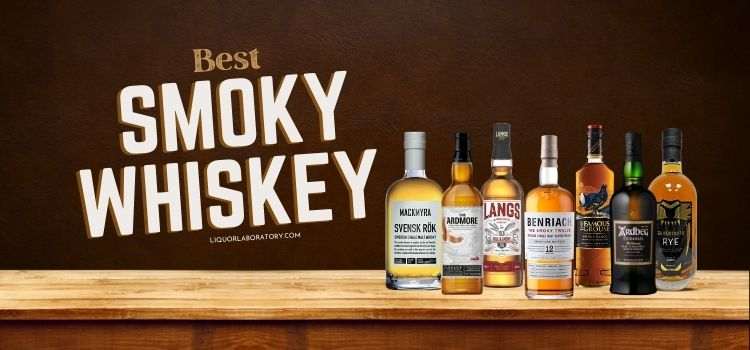
Smoky whiskey is not a TTB class. Peat is one smoke path; ppm is not required on the label. Not a ranking.
Smoky whiskey is not a TTB class. Peat is one smoke path; ppm is not required on the label. Not a ranking.
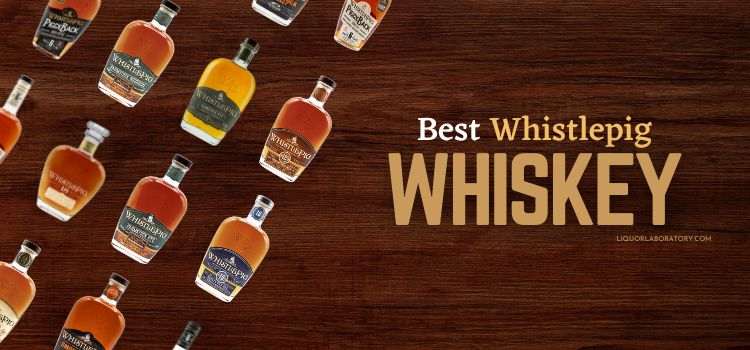
WhistlePig 10 Year prints 10 years and 100 proof on whistlepigwhiskey.com. High rye, not a printed 100% rye. Not a ranking.
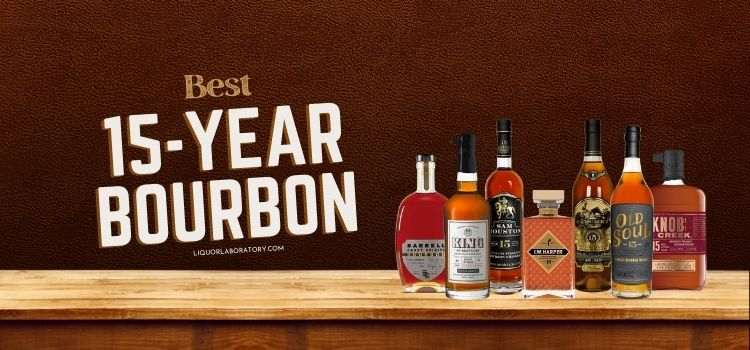
A 15-year bourbon age statement means the youngest whiskey in the bottle is 15 years (TTB 27 CFR 5.74). Not a TTB class and not a 2026 ranking. Allocated bottles vary.
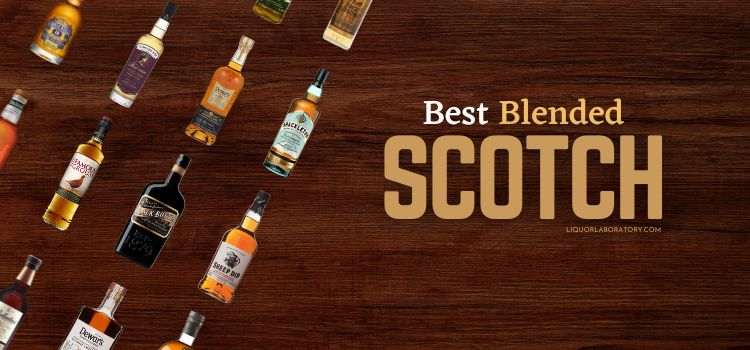
Blended Scotch is malt plus grain whisky, aged at least 3 years in Scotland. US Red and Black Label are 40% ABV — one drink per 1.5 oz. Age statements (Black 12) are not extra proof. Not a 2023 ranking.
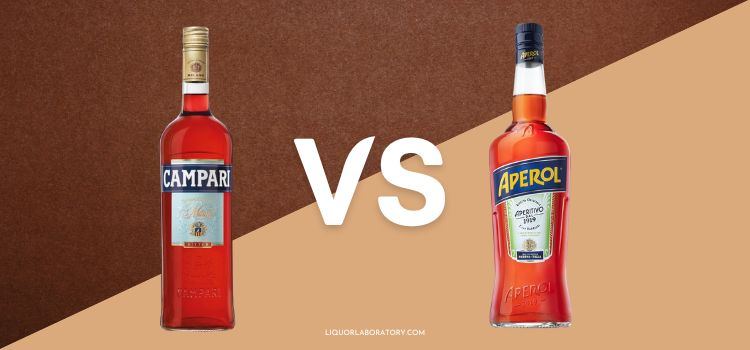
Aperol is 11% ABV on Campari Group’s US consumer page. That page lists Campari at 25%; many US bottles print 24%. Same group. Different drinks. Read the neck.
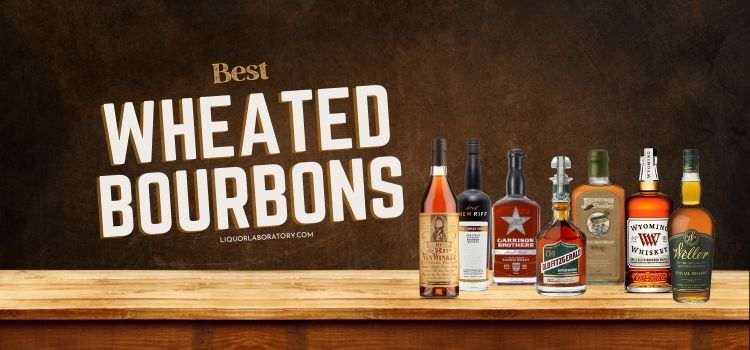
A bourbon mash bill must comprise at least 51% corn, along with rye and malted barley. But there’s this “unofficial sub-category” called “wheated bourbon” that…
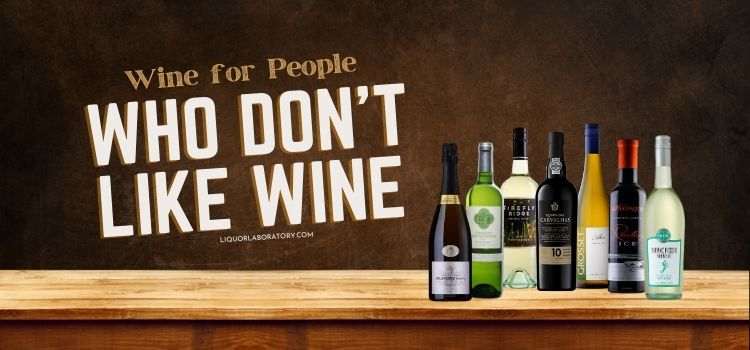
No official wine for people who dislike wine. Palate talk is not a class. Typical table ~12–14%. No ranking.
Bourbon has no minimum age except straight (2 years). An age statement is the youngest whiskey in the bottle. NAS can hold older whiskey. Older is not a TTB quality score. A 1.5 oz 90-proof pour is 1.13 drinks. Not a ranking.
There is no official best Jack Daniel’s. Old No. 7 is 40% Tennessee whiskey on the Brown-Forman US sheet. Flavored SKUs are 35% specialties.
No official unopened-year clock. Typical table wine ~12%. Read vintage, closure, and storage. Fortified is a different bottle.