Smoky Whiskey: What the Label Has to Mean
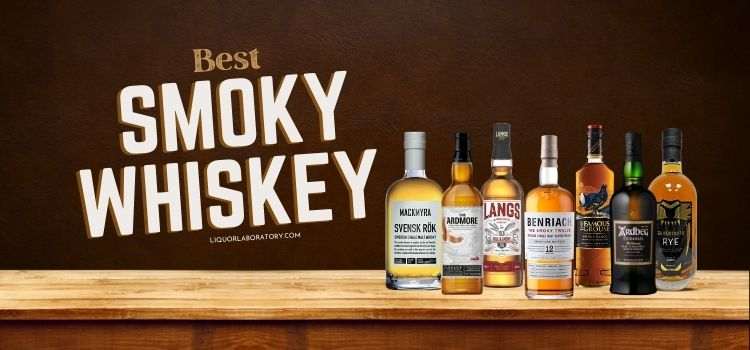
Smoky whiskey is not a TTB class. Peat is one smoke path; ppm is not required on the label. Not a ranking.
Smoky whiskey is not a TTB class. Peat is one smoke path; ppm is not required on the label. Not a ranking.
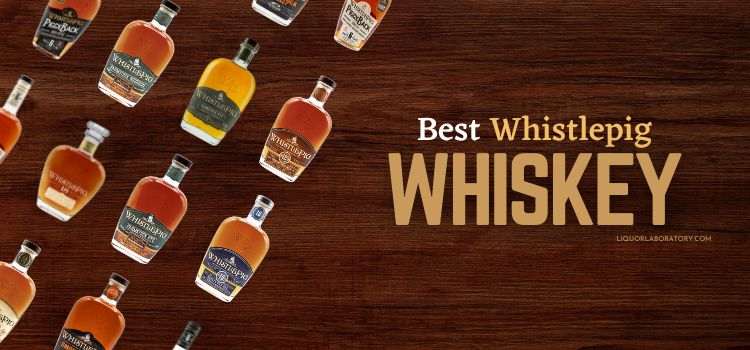
WhistlePig 10 Year prints 10 years and 100 proof on whistlepigwhiskey.com. High rye, not a printed 100% rye. Not a ranking.
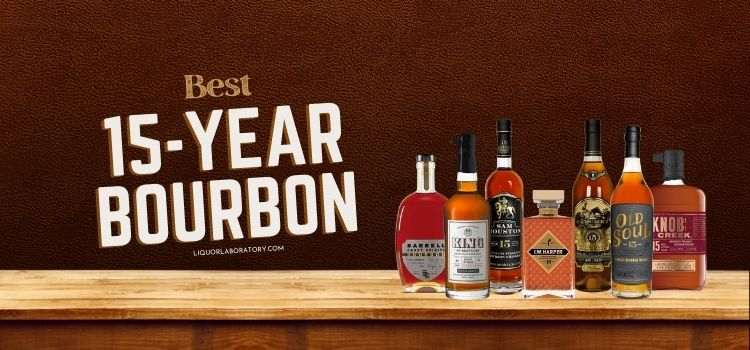
A 15-year bourbon age statement means the youngest whiskey in the bottle is 15 years (TTB 27 CFR 5.74). Not a TTB class and not a 2026 ranking. Allocated bottles vary.
Blended Scotch is malt plus grain whisky, aged at least 3 years in Scotland. US Red and Black Label are 40% ABV — one drink per 1.5 oz. Age statements (Black 12) are not extra proof. Not a 2023 ranking.
A bourbon mash bill must comprise at least 51% corn, along with rye and malted barley. But there’s this “unofficial sub-category” called “wheated bourbon” that…
Bourbon has no minimum age except straight (2 years). An age statement is the youngest whiskey in the bottle. NAS can hold older whiskey. Older is not a TTB quality score. A 1.5 oz 90-proof pour is 1.13 drinks. Not a ranking.
There is no official best Jack Daniel’s. Old No. 7 is 40% Tennessee whiskey on the Brown-Forman US sheet. Flavored SKUs are 35% specialties.
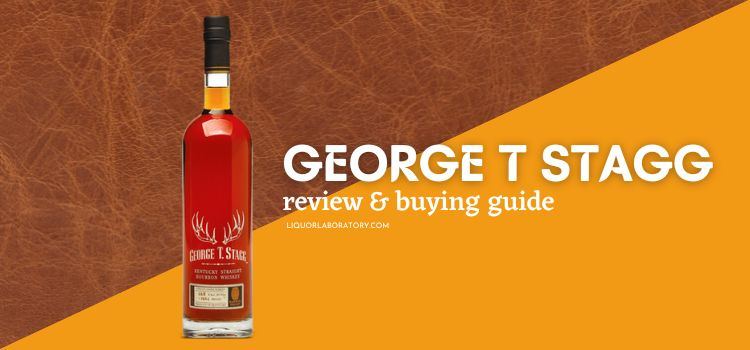
Since its release, the limited George T. Stagg bourbon has intrigued whiskey fanatics. And we get why you’re eager to know more about this spirit…
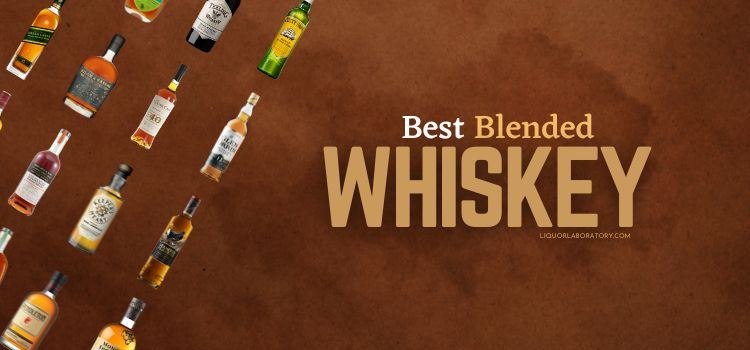
“Blended whiskey” is several legal classes: blended Scotch (malt + grain), blended Irish, and US blended whiskey (may include neutral spirits). Most US grocery blends are 40% ABV — one drink per 1.5 oz. Not a ranking.
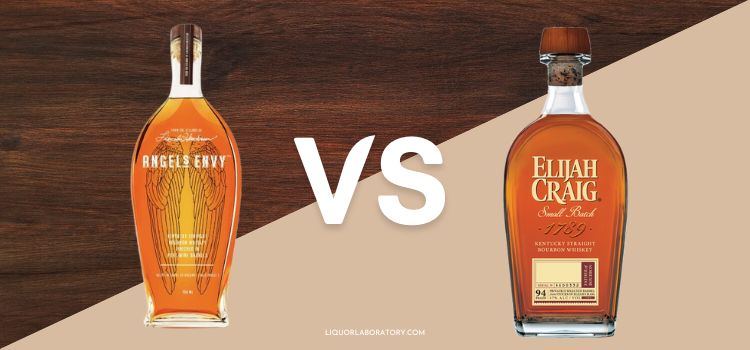
Small batch bourbon is great for premium purchases as it offers a more consistent flavor, quality, and authenticity. For Angel’s Envy vs Elijah Craig…