Updated November 2026
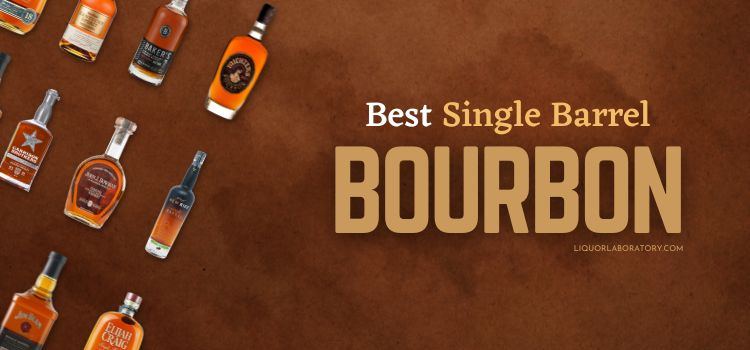
The best single barrel bourbons that most US drinkers can actually find are Four Roses Single Barrel (100 proof), Knob Creek 9 Year Single Barrel Reserve (120 proof), Russell’s Reserve Single Barrel (110 proof), Wild Turkey Kentucky Spirit (101 proof), Henry McKenna 10 Year Single Barrel (100 proof, bottled in bond), 1792 Single Barrel (98.6 proof), Evan Williams Single Barrel (86.6 proof) and Blanton’s Original (93 proof). Each bottle comes from one cask, so two bottles of the same label can taste noticeably different.
This guide groups those bottles by how you plan to drink them rather than pretending one barrel beats every other. Proofs come from brand pages, state ABC listings and major US retailers; tasting notes are the producers’ own.
What “single barrel” means on a bourbon label
“Single barrel” tells you that every drop in the bottle came out of one cask instead of a batch of many barrels mingled together. It is a marketing term, not a federal class. The TTB standards of identity do not define it, so the producer decides how the barrel is chosen and whether it is cut with water before bottling.
The bourbon inside still has to meet the legal definition in 27 CFR § 5.143: a mash of at least 51% corn, distilled at no more than 160 proof, entered into new charred oak containers at no more than 125 proof, and bottled at no less than 80 proof. “Straight bourbon” adds a minimum of two years in those containers.
Two other label words often sit next to “single barrel,” and they mean different things:
- Bottled in bond is a legal term under 27 CFR § 5.88. The spirit must come from one distilling season, one distiller and one distillery, age at least four years in a bonded warehouse and be bottled at exactly 100 proof. A bottle can be both single barrel and bonded, as Henry McKenna 10 Year is. See our guide to the best bottled-in-bond bourbon.
- Barrel proof (or cask strength) means the whiskey was bottled without adding water, at whatever strength the cask reached. Some single barrels are cut to a set proof; others are not. Our explainer on what barrel proof means covers the details.
Single barrel bourbons for everyday sipping
Four Roses Single Barrel (100 proof)
Four Roses uses ten recipes, and its standard Single Barrel uses the one it calls OBSV, described as “delicate fruit and rye.” The brand gives an age range of seven to nine years and describes dried spice, pear, cocoa, vanilla and maple syrup on the nose, hints of ripe plum and cherries on the palate, and a smooth, long finish. Store-pick bottles may use other recipes, so check the four-letter code on the label.
1792 Single Barrel (98.6 proof)
Barton 1792 Distillery in Bardstown bottles this at 98.6 proof (49.3% ABV). The distillery describes rich butterscotch and caramel with hints of fruit and toffee.
Evan Williams Single Barrel (86.6 proof)
Heaven Hill hand-selects barrels for this vintage-dated bourbon and lists an age of seven to eight years. Each label shows the year the whiskey went into oak, the bottling year and the barrel number. North Carolina ABC lists the 750 ml bottle at 86.6 proof. Heaven Hill’s notes describe dark caramel, sweet oak and charred wood on the nose, with a rich, spicy palate of oak, honey, apple and orange.
Higher-proof single barrels
Knob Creek 9 Year Single Barrel Reserve (120 proof)
Knob Creek bottles this nine-year-old bourbon at 120 proof. The brand describes strong vanilla and caramel aromas with light smoke and oak, a rich and layered taste of vanilla, char and oak, and a long, warm finish. Our roundup of the best Knob Creek bourbon covers the rest of the range.
Russell’s Reserve Single Barrel (110 proof)
Iowa ABD lists this Wild Turkey release at 110 proof. The listing describes a bourbon from Jimmy and Eddie Russell, distilled in Lawrenceburg, Kentucky, aged in deep No. 4 “alligator” char barrels from the center of the rickhouse and left non-chill filtered.
Wild Turkey Kentucky Spirit (101 proof)
Kentucky Spirit is drawn from one cask aged in No. 4 char American white oak and bottled at Wild Turkey’s signature 101 proof, which Virginia ABC confirms. Each front label shows the bottling date, barrel number, warehouse and rick. Wild Turkey describes rich oak and vanilla with caramel and leather on the nose, a full, round body of vanilla, almond and honey, and a long, smooth finish.
A bonded pick and the famous one
Henry McKenna 10 Year Single Barrel (100 proof, bottled in bond)
Heaven Hill lists Henry McKenna Single Barrel as a ten-year-old, 100-proof, bottled-in-bond bourbon. The distillery describes vanilla, caramel, oak and a light herbaceous note on the nose, then smooth oak, sharp spice, honey and sweetness, with a long, sweet and spicy finish.
Blanton’s Original Single Barrel (93 proof)
Blanton’s, launched in 1984 as the first modern single barrel bourbon, is bottled at 93 proof (46.5% ABV). The producer describes nutmeg and spice on the nose, dry vanilla with honey, caramel and corn on the palate, and a medium finish where corn and nutmeg return. It is often allocated, so availability varies by state. Read more about Blanton’s, who makes Blanton’s and the best Blanton’s bottlings.
How to choose a single barrel bourbon
- Start lower, then climb. If you mostly drink 80 to 90 proof bourbon, try Evan Williams Single Barrel or Blanton’s before moving to the 110 and 120 proof bottles.
- Read the barrel details. Barrel numbers, dates, warehouse codes and Four Roses recipe codes help you find another bottle you liked, or avoid one you didn’t.
- Treat store picks as their own bottles. Many retailers and bar groups select private barrels. The label is the same, but the whiskey can be very different from the standard release, for better or worse.
If you are shopping on a budget, our list of the best bourbon for the money covers more everyday bottles, and our Bourbon Guide explains mash bills, aging and label terms.
Pour math at higher proof
A US standard drink holds 14 grams of alcohol, which is 1.5 ounces of 80-proof (40% ABV) spirit. Higher proof packs more alcohol into the same pour: 1.5 ounces at 100 proof is about 1.25 standard drinks, and 1.5 ounces at 120 proof is about 1.5. Our page on how much whiskey it takes to get drunk explains the math. Pour smaller servings of barrel-strength bourbon, and never drink and drive.
Frequently asked questions
Is single barrel bourbon better than small batch?
Not automatically. Single barrel shows the character of one cask, while small batch blends several casks for a more consistent result. Neither “single barrel” nor “small batch” has a legal definition, so quality depends on the producer and the barrel.
Why do two bottles of the same single barrel bourbon taste different?
Each barrel ages in a different spot in the warehouse, with different temperatures, wood and time. Without blending to even out those differences, every barrel tastes a little different.
Is all single barrel bourbon barrel proof?
No. Some brands bottle at full cask strength, while others, such as Four Roses Single Barrel and Wild Turkey Kentucky Spirit, are bottled at a set proof. Check the label for “barrel proof” or “cask strength.”
What is a store pick?
A store pick is a barrel chosen by a retailer, bar or club and bottled for them, usually with a sticker or neck tag naming who selected it.
Sources
- 27 CFR § 5.143 (whisky class and type standards, including bourbon and straight whisky) and 27 CFR § 5.88 (bottled in bond), eCFR.
- Four Roses, Single Barrel product page (fourrosesbourbon.com).
- Knob Creek, 9 Year Single Barrel Reserve product page (knobcreek.com).
- Heaven Hill Distillery, Evan Williams Single Barrel Vintage and Henry McKenna Single Barrel product pages.
- North Carolina ABC Commission, product listing for Evan Williams Single Barrel Vintage.
- Iowa Alcoholic Beverages Division, product listing 22178, Russell’s Reserve Single Barrel Bourbon.
- Virginia ABC, Wild Turkey Kentucky Spirit listing; Wild Turkey, Kentucky Spirit product page.
- Wine.com, Blanton’s Original Single Barrel and Barton 1792 Single Barrel listings (producer notes).
- NIAAA, “What Is a Standard Drink?”