Updated October 2026
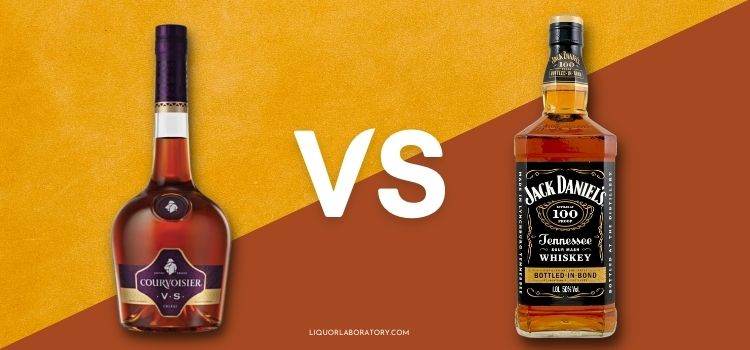
The core difference between brandy and whiskey is the raw material: brandy is distilled from fruit, most often grapes made into wine, while whiskey is distilled from a fermented mash of grain such as corn, barley, rye or wheat. That one choice shapes everything else. Brandy tends toward dried fruit, floral and sweet notes; whiskey leans toward cereal, caramel, vanilla and spice. Both must be bottled at no less than 40% ABV (80 proof) in the United States.
Both spirits are distilled, often aged in oak and served neat or in classic cocktails, so it is easy to see why they get confused. This guide breaks down how US law defines each one, how they are made, how they taste and how to choose between them. For a closer look at one family of brandy, see our cognac vs brandy comparison.
How US law defines brandy and whiskey
Federal standards of identity draw a clear line between the two.
- Brandy, 27 CFR § 5.145: spirits distilled from the fermented juice, mash or wine of fruit (or its residue) at less than 95% ABV, with the taste, aroma and characteristics generally attributed to brandy, and bottled at not less than 40% ABV. A product labeled “brandy” or “grape brandy” must be stored at least 2 years in oak containers; younger grape brandy must be labeled “immature brandy.”
- Whisky, 27 CFR § 5.143: an alcoholic distillate from a fermented mash of any grain, distilled at less than 95% ABV, stored in oak barrels (corn whisky excepted), and bottled at not less than 40% ABV.
Specific types add more rules. Bourbon, for example, must come from a mash of at least 51% corn, be distilled at 160 proof or less, and enter charred new oak barrels at 125 proof or less. Cognac, under the same brandy section, must be grape brandy distilled exclusively in the Cognac region of France and entitled to the name under French law. Learn more in our guides to brandy and whiskey.
Brandy vs whiskey at a glance
| Feature | Brandy | Whiskey |
|---|---|---|
| Base | Fruit, usually grape wine | Grain mash (corn, barley, rye, wheat) |
| US standard | 27 CFR § 5.145 | 27 CFR § 5.143 |
| Minimum bottling strength | 40% ABV (80 proof) | 40% ABV (80 proof) |
| Oak | 2 years minimum for “brandy” or “grape brandy” | Oak barrels required (except corn whisky) |
| Famous styles | Cognac, Armagnac, American brandy, pisco | Bourbon, Scotch, Irish, rye, Japanese |
| Typical flavors | Raisin, stone fruit, floral, honey | Caramel, vanilla, toasted grain, spice, smoke |
How each one is made
Brandy starts as fruit. For grape brandy, grapes are fermented into a thin, acidic wine, which is then distilled. Cognac, the best-known grape brandy, is double distilled in copper pot stills using the Charentaise method and aged in oak casks for at least two years, with Ugni Blanc as the main grape. Fruit brandies use apples, pears, cherries or plums instead. Our explainer on what cognac is made from goes deeper.
Whiskey starts as grain. The grains are milled and cooked to release starch, which enzymes (often from malted barley) convert into fermentable sugar. Yeast turns that sugary mash into a beer-like liquid, which is distilled in pot stills, column stills or both, then aged in oak. Barrel rules differ by style: bourbon needs new charred oak, while Scotch and Irish whiskey often use previously filled casks.
How they taste
Because brandy begins with fruit, even well-aged bottles tend to carry dried fruit, orchard and floral notes alongside the vanilla and spice from oak. Brandy usually feels round and slightly sweet on the palate. Whiskey’s grain base gives it bread, cereal and nutty tones; new charred oak in bourbon adds caramel and vanilla, rye brings pepper, and peated Scotch adds smoke. If you enjoy fruit-forward, mellow spirits, brandy is a natural fit. If you like spice, grain or smoke, whiskey offers more range. Compare the premium end of each in cognac vs whiskey.
How to drink each one
Both are excellent neat. Aged brandy is traditionally sipped from a tulip or snifter at room temperature; see the best way to drink brandy. Whiskey is often served neat, with a splash of water or over a large cube. In cocktails, brandy anchors the Sidecar and the Alexander, while whiskey anchors the Old Fashioned, Manhattan and Whiskey Sour. Many classic recipes once used either; the Old Fashioned and the Mint Julep both have brandy versions.
Which is stronger?
Neither, by rule. Both must be bottled at a minimum of 40% ABV in the US, and most bottles on the shelf sit right at 80 proof. Some whiskeys, especially cask-strength bourbons, are bottled far higher, so check the label. The NIAAA defines a US standard drink as 14 grams of pure alcohol, or 1.5 oz of 40% ABV spirits. A 1.5 oz pour of either spirit at 80 proof is one standard drink, and a 750 ml bottle at 40% holds about 17. Our guides on how Hennessy pours add up and how whiskey pours add up walk through the math. Never drink and drive.
Frequently asked questions
Is cognac a whiskey?
No. Cognac is a grape brandy from the Cognac region of France. Whiskey is made from grain.
Is brandy sweeter than whiskey?
Brandy often tastes fruitier and rounder, which reads as sweeter, but neither spirit is a sweetened liqueur. Sweetness varies by producer and style, so taste a few before deciding.
Can you substitute brandy for whiskey in cocktails?
Often, yes. A brandy Old Fashioned or brandy Manhattan is a classic variation. Expect a softer, fruitier drink.
Are brandy and whiskey both aged in oak?
Usually. US whisky must be stored in oak (corn whisky excepted), and US brandy labeled simply “brandy” or “grape brandy” needs at least 2 years in oak.
Which is better for beginners?
Many beginners find a VS cognac or a wheated bourbon gentle and approachable. Start with a small neat pour and a splash of water.
Keep exploring in the Brandy Guide, the Bourbon Guide, our Irish whiskey vs bourbon comparison, or the Whiskey Guide.
Sources
- 27 CFR § 5.145, brandy class and type standards (eCFR / Cornell LII)
- 27 CFR § 5.143, whisky class and type standards, including bourbon and corn whisky (eCFR / Cornell LII)
- Taste France, Cognac AOC (double distillation in copper stills, at least two years in oak, Ugni Blanc)
- International Bartenders Association, Sidecar and Alexander specifications
- NIAAA, What Is a Standard Drink?